Posts

Showing posts with the label Biotechnology

Stem Cell Assay: Unlocking the Potential of Regenerative Medicine

Image
  Stem Cell Assay Stem cells hold tremendous promise for the field of regenerative medicine. However, developing safe and effective stem cell-based therapies requires thorough research and testing at various stages. Stem cell assays play a crucial role in evaluating stem cells and guiding their clinical applications. This article discusses the importance of stem cell assays and highlights some key assay types that are helping advance regenerative medicine.   Characterization of Stem Cells The first and most fundamental step in stem cell research is to properly characterize and identify stem cells. Stem cell assays are used to verify that a cell culture contains the desired type of stem cells and to evaluate their purity and potency. Common characterization assays include:   - Immunophenotyping: This uses cell surface marker detection through techniques like flow cytometry to identify stem cell subtypes based on their unique protein signatures.   - Pluri...

A Potential Shot at Prevention: Monovaccine for Epstein-Barr Virus

Image
  Monovaccines on Epstein-Barr Virus Epstein-Barr virus (EBV) is a human herpesvirus that infects over 90% of adults worldwide. While EBV infection is usually asymptomatic, it can sometimes cause infectious mononucleosis (IM), commonly known as "mono". With no available vaccine as of now, IM remains an important public health issue, especially among adolescents and young adults. However, recent advances in vaccine development have reignited hopes of controlling EBV and preventing IM through a monovaccine targeting the virus.   EBV and Infectious Mononucleosis   EBV is transmitted through saliva and infects B cells in the host. In most cases, the infection causes no symptoms as the immune system manages to keep the virus in check. However, in some individuals, primary EBV infection results in IM. Symptoms of IM include fever, sore throat, fatigue and swollen lymph nodes, which can last for several weeks. IM is more likely to develop in adolescents and young adults ...

Mesenchymal Stem Cells: The Future of Cell Therapy

Image
  Mesenchymal Stem Cells Mesenchymal stem cells (MSCs) hold great promise for the future of medicine. These multipotent stem cells have the ability to differentiate into a variety of cell types and regenerate damaged tissues. With their regenerative and immunomodulatory properties, MSCs are currently being investigated for the treatment of many diseases. This article will discuss what MSCs are, their potential therapeutic applications, ongoing clinical trials and the future prospects of these cells in regenerative medicine.   What are Mesenchymal Stem Cells?   MSCs are a type of adult stem cell that can be isolated from adult tissues like bone marrow, fat, and connective tissues. They are non-hematopoietic stem cells capable of differentiating into cell types that form connective tissues like bone, cartilage, fat, tendon and muscle. MSCs were first isolated from the bone marrow by Arnold Caplan in the early 1990s. These multipotent cells can self-renew and differe...

Cell Therapy: How it Works and the Future of Treatment

Image
  Cell Therapy Cell therapy is an exciting area of regenerative medicine that involves using live human cells to repair or replace damaged tissues and cells in the body. With continued advancement and innovation, cell therapy holds tremendous potential to treat many currently incurable diseases and conditions. This article explores the different types of cell therapies currently being researched and developed.   Stem Cell Therapy Stem cells are the foundation for cell therapy due to their ability to differentiate into many specialized cell types. Research focusses on harnessing the power of stem cells to regenerate damaged tissues.   Embryonic Stem Cells Embryonic stem cells are derived from embryos donated through in vitro fertilization programs. These pluripotent stem cells have the unique ability to become almost any cell type in the body. However, their use remains controversial due to ethical concerns regarding embryo destruction. Despite regulatory hurd...

Era of Genetic Medicine: Exploring Frontiers in Cell and Gene Therapies

Image
  Cell and Gene Therapy Cell and gene therapy involves making genetic modifications directly or introducing new genes and genetic material into patients for therapeutic effect. This emerging field holds immense promise to treat a wide range of diseases from cancer to genetic disorders. In this article, we will discuss the basics of cell and gene therapy, its potential applications and future directions.   What is Cell Therapy?   Cell therapy involves transplanting human cells, tissues or organs into patients to treat diseases. The goal is to replace damaged or missing cells with healthy functioning cells. Some examples of cell therapy include:   Stem Cell Therapy Stem cells have the potential to develop into many different cell types in the body. Stem cell therapy involves transplanting stem cells into patients to generate new functioning cells and replace damaged ones. This therapy is being explored for diseases like leukemia, diabetes, heart disease a...

Integrating High-Sensitivity Troponins, NT-proBNP, and Emerging Molecular Signatures for Personalized Risk Assessment and Therapeutic Decision-Making

Image
  Cardiac Biomarkers Heart disease is one of the leading causes of death around the world. Timely diagnosis and management of cardiovascular conditions like heart attacks, heart failure, etc. can help improve outcomes and save lives. In this regard, cardiac biomarkers have emerged as invaluable tools for clinicians over the past few decades. These biomarkers provide objective evidence of underlying heart damage or injury that can help guide diagnostic and therapeutic decisions.    What are Cardiac Biomarkers?   Cardiac biomarkers refer to proteins or other substances that are released into the bloodstream when the heart muscle is damaged or stressed. They can serve as detectable signs or indicators that something is affecting the structure or function of the heart. Some of the most commonly measured cardiac biomarkers include troponin, creatine kinase-MB (CK-MB), myoglobin, natriuretic peptides (BNP and NT-proBNP), and cardiac-specific troponins I and T. Eac...

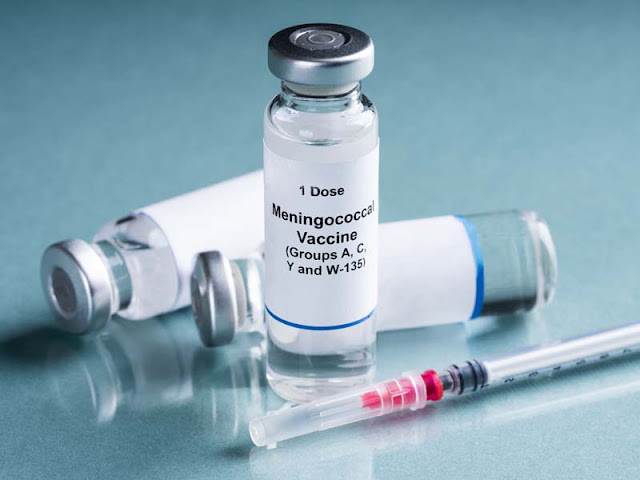
Meningococcal Vaccines: Protecting Against a Deadly Disease

Image
  Meningococcal Vaccines Meningococcal disease is a serious bacterial infection that can cause meningitis, an infection of the membranes that surround the brain and spinal cord, or sepsis, an infection of the bloodstream. While meningococcal disease is not very common overall, it can be deadly and serious disability can occur in those infected. As such, preventing meningococcal disease through effective vaccines is extremely important.   What are Meningococcal Bacteria?   Meningococcal bacteria are normally found in the nose and throat of healthy carriers. However, in some cases the bacteria can invade the body and cause serious illness. There are several distinct serogroups of meningococcal bacteria that can cause disease, named by their protective sugar coatings: A, B, C, W, and Y. Globally, the most common disease-causing serogroups are A, B and C.   According to the Centers for Disease Control and Prevention (CDC), approximately 1,000 to 1,200 America...